
Cambium Data Blog
Cambium Data has been serving the Omaha area since 2009, providing IT Support such as technical helpdesk support, computer support, and consulting to small and medium-sized businesses.


The cloud helps businesses of all industries be more efficient with their operations, including on the financial side. Today, we want to explore three major ways your business can save money by switching to the cloud and making it a central component of its operational structure.
0 Comments

You’ve more likely than not purchased a ticket through Ticketmaster at some point in your lifetime, so you might be interested to find out that Live Nation Entertainment—Ticketmaster’s parent company—has had to file an 8-K with the Security and Exchange Commission to admit that 1.3 terabytes of data had been hacked. The result is that more than 560 million customers’ personal information was stolen from company servers.

Summer is a time for fun and relaxation, not tech-related stress. To ensure your devices are safe from cybersecurity threats and weather-related issues, we’ve compiled some essential tips.
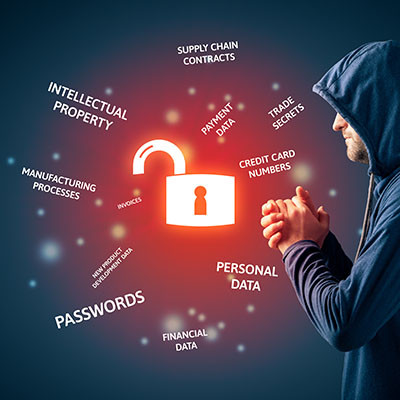
Data is pivotal in modern business operations, highly coveted by various parties. In today’s blog, we explore how everyone online seems eager to get their hands on your data.

Internet speeds have significantly increased over the past few years, driven by the growing demand for online activities. This acceleration offers numerous advantages for businesses across various sectors. Here are five key benefits that businesses can leverage with faster Internet speeds.

Businesses rely on their communications infrastructures to function. If your communications infrastructure is not working as intended, it’s felt across the organization, as it’s often a department-wide solution. One way you can make your communications infrastructure more streamlined without a load of extra costs is with VoIP, or Voice over IP. The right system will help you get more out of your telephone systems to improve communications for the entire business.

Losing your phone can be a distressing experience. Not only does it leave you disconnected from the digital world for the time being, but it also poses significant security risks for you and your organization if you use it for work. Taking a few steps can help you reduce the damage and even help you retrieve your lost device. Here's what to do after you've lost your phone.

Digital waste encompasses all the unnecessary data cluttering our storage systems until we decide to address it. This includes redundant files, outdated emails and chats, and forgotten photos gathering digital dust. While dismissing digital waste as a mere inconvenience is tempting, its implications are unfortunately significant.

Personally identifiable information—or PII—is critically important data for individuals and businesses, not only because operations rely on many of these data points but there are also significant circumstances for losing it. Of course, to properly protect PII, you need to know what the umbrella term of PII includes.

Prioritizing cybersecurity is mandatory for all business owners, but many don’t know where to start. As a result, many businesses deal with cybersecurity issues that can put them behind and even ruin a good thing. In today’s blog, we provide a guide that explains the basics of cybersecurity for anyone to follow.
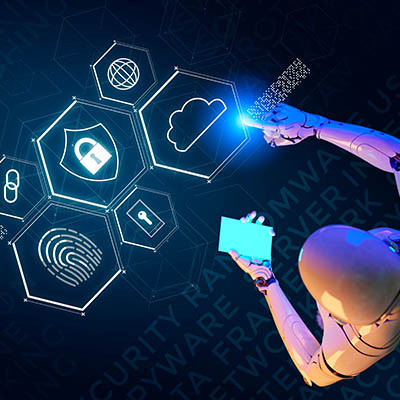
Artificial intelligence has become one of the most talked-about technologies throughout every sector of society. It’s being widely used in business, education, and civic life. We want to focus on the latter element and discuss how the U.S. Department of Homeland Security is using AI to improve its ability to keep Americans safe.

For any organization that depends on its wireless network, your router is a critical piece of hardware that does more than you may realize. From broadcasting wireless Internet signals to protecting your network from harm, knowing exactly what to do with your router is good knowledge to have. Today, we’ll go through some of the things you should know about your router that will allow you to improve your organization's Wi-Fi significantly.
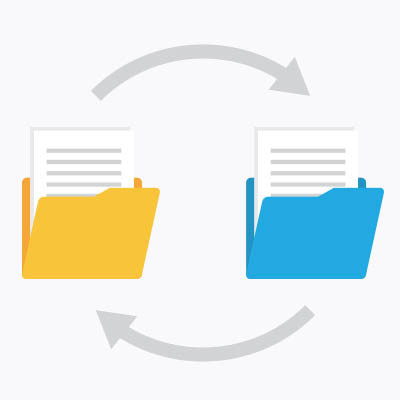
Getting your organization’s file-sharing policies and procedures right can make the difference between efficient, collaborative operations and inefficient and cost-wasting ones. This can get tricky, however. In today’s blog, we’ll go through some of the best practices your organization can implement to get the most out of its file sharing.

You would be hard-pressed to find anything more important to a company’s success than information technology. Today, we want to cover five of the most important tools modern businesses can use to improve operations and engage in commonly known and standardized best practices.

It’s hard to tell people that “we are under attack” all the time and actually mean it. There are a couple of reasons for this. First, the more you tell people they are under threats that don’t actually affect them, the more distrust or even disdain develops for the issuer of these revelations. Second, people will never actually understand that they are under threat until something happens that proves to them that they need to be more careful.

The definition of sustainability, according to the United Nations, is “meeting the needs of the present without compromising the ability of future generations to meet their own needs.” Originally coined in 1987, this definition has fueled businesses' efforts to work toward their own versions of sustainability, as per their service models. Let’s look at some ways you can make your own operations more sustainable.
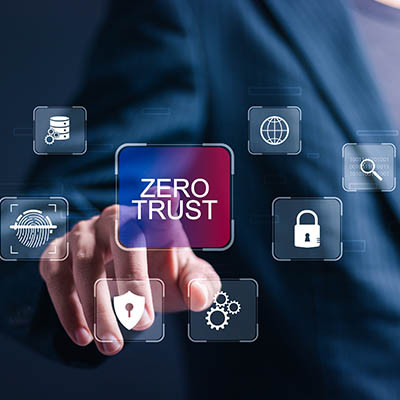
With the threat landscape littered with companies that don’t take their IT security seriously, it's hardly surprising that many are embracing what's known as a zero-trust policy to fortify their security measures. What exactly does zero-trust entail, and why does it prove so formidable in thwarting potential risks for your enterprise? Let's delve into this topic in today's blog post.

One sure sign of a healthy business is that it is growing—possibly to the point that your office space seems less and less spacious. Time to move!
But not so fast: what about your IT infrastructure? Are you prepared to move it? How does one even begin to do that?
One of the most dangerous types of threats is the many phishing scams you and your employees could fall victim to. While it might be tempting to poke fun at the people who succumb to seemingly obvious phishing attacks, the reality of the matter is that some phishing attacks are anything but, and they are only growing more sophisticated over time.

Managed IT services are a great way for your business to save money, but what specifically do these types of services do to have such a profound impact on your budget? The impact stems from three primary causes: a reliable level of service, a proactive stance on maintenance and management, and access to professional technicians with decades of expertise.
Mobile? Grab this Article