
Cambium Data Blog
Cambium Data has been serving the Omaha area since 2009, providing IT Support such as technical helpdesk support, computer support, and consulting to small and medium-sized businesses.

There are a few words in the business world that can make an owner’s stomach drop quite like "compliance."
The moment someone brings up regulations like HIPAA, PCI DSS, or state-level data privacy laws, most managers picture mountains of dry legal paperwork, confusing audits, and massive fines poised to ambush their bank accounts. It feels like an overwhelming amount of red tape designed for massive corporations, yet forced onto small offices that don't have a dedicated legal team.
Let's look at this matter-of-factly. I focus less on the politics behind these policies and more on whether the requirements actually protect your business, based on my own experience.
0 Comments


Imagine a new employee who doesn't just listen to watercooler talk—they can overhear every office conversation, read every scrap of paper left on a desk, and remember it perfectly. If you ask them for the local scoop, they won't just tell you who went to lunch together. They will hand you a copy of the executive salary spreadsheet because someone accidentally left it in an unlocked breakroom cabinet three years ago.
That is exactly how Microsoft 365 Copilot operates. It does not create new security holes; it just listens to what you have already left exposed.

With the papal conclave—the sequestered selection of a new pope by the Catholic Church’s College of Cardinals—beginning today, it seemed timely to consider how this centuries-old tradition has maintained its incredibly high level of secrecy and security over the years.
After all, there may be a few lessons and insights we can glean from their process and apply them to your business and its privacy.
Just about all companies collect data, including many you work with. Your business too collects data from customers to aid in its operations. In terms of your own privacy, though, you should take certain measures to protect your personal data. Here are some of the ways you can combat the predatory practices of advertisers and cybercriminals alike.

There has been a good deal of controversy about how personal data has been collected, sold, and used over the past few years. Companies of all types package and sell data to create a valuable extra revenue stream for their business, and while this should be thought of as a side effect of all the data that is created by people, it can also create some pretty difficult situations to try and navigate. Today, we’ll take a look at the data-broker loophole, how it works, and what can be done about it.

A lot of people don’t take cybersecurity and data privacy seriously enough, and that puts both them and others at risk. We’ve all gotten used to sharing personal information online—whether it’s on social media, shopping websites, or other digital services. But if we’re not careful, this can lead to big problems like hackers stealing your identity or money. When people don’t use strong passwords or turn on two-factor authentication, they leave gaps that hackers can take advantage of. These gaps don’t just affect individuals—they can lead to bigger cyberattacks that hurt entire organizations or communities.
Cybersecurity tops the list for any business’ needs, particularly when one considers just how many threats are out there today. This makes it essential that today’s businesses (yours included) put an assortment of cybersecurity tools and protections in place.
We’ve assembled a list of the ones we recommend.
Technology continues to play a major role in healthcare, especially as it has become more prominent. Through technology, the healthcare industry has been able to stabilize costs, improve access, and personalize care delivery—challenging concepts in years past. That said, these innovations come at the cost of potential issues with data privacy… issues that become more prominent as technology becomes even more advanced.

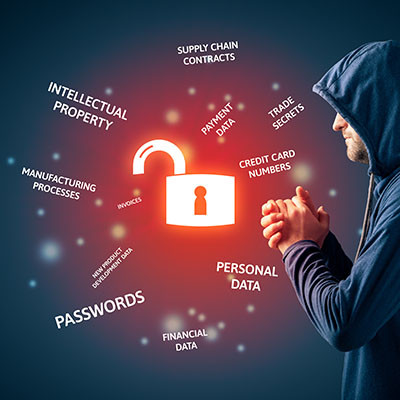
Data is pivotal in modern business operations, highly coveted by various parties. In today’s blog, we explore how everyone online seems eager to get their hands on your data.

Personally identifiable information—or PII—is critically important data for individuals and businesses, not only because operations rely on many of these data points but there are also significant circumstances for losing it. Of course, to properly protect PII, you need to know what the umbrella term of PII includes.

The vehicles of today are equipped with countless features that previously did not exist, but this also makes them vulnerable in ways that older cars simply are not. Today, we want to explore what this growing smart car trend means for the security of vehicles.

Let’s talk a little bit about deepfakes. If you aren’t aware of this technology, deepfakes are essentially synthetic media. Typically they come in the form of videos or images that use artificial intelligence (AI) to replace a person’s likeness with another’s. With deepfake technology, people can convince an audience that a person said something they didn’t say. This deliberate digital subterfuge can bring with it a whole lot of problems. This week we will outline a few of them.
Data privacy has never been such an important issue for businesses and individuals alike. In some places, calls for overarching legislation to protect consumers have often been met with significant pushback by lawmakers who are reluctant to put extra regulations on businesses, while others have passed important laws dictating how organizations handle individual data.
Mobile? Grab this Article